

Ayurveda
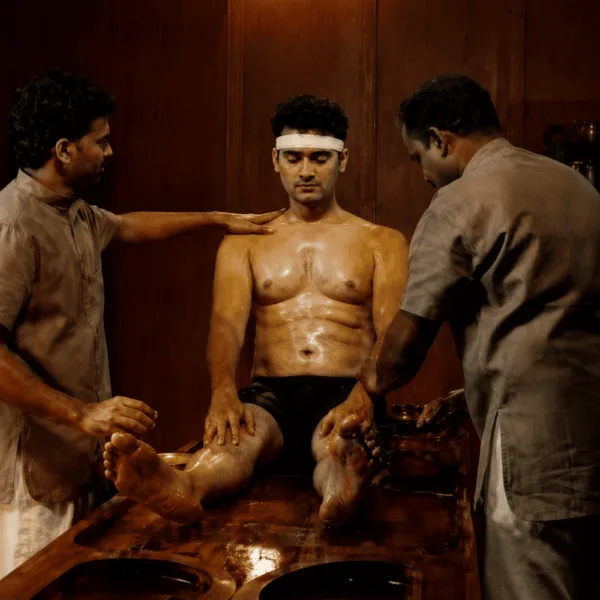
Sarvanga Abhyanga(full body)
The word 'sarvangam ‘abhyanga’ is a Sanskrit term, where ‘abhi’ means ‘towards’ and ‘anga’ means ‘limbs.’ When combined together, they mean massaging the full body with warm oil.
₹3,999Book now
 Holistic wellness organisation delivering health, Happiness & hope while respecting cultures
Healing Zone · Therapy
Time-honoured Ayurvedic therapies such as herbal-oil treatments, kizhi poultices, vasti and shirodhara, which detoxify, rebalance the doshas and deeply calm the nervous system.
Ayurveda & Panchakarma
Time-honoured Ayurvedic therapies such as herbal-oil treatments, kizhi poultices, vasti and shirodhara, which detoxify, rebalance the doshas and deeply calm the nervous system. Explore every therapy below — tap any card for details, duration and price.
All therapies
60 therapies in this modality. Tap a card for details and booking.
The word 'sarvangam ‘abhyanga’ is a Sanskrit term, where ‘abhi’ means ‘towards’ and ‘anga’ means ‘limbs.’ When combined together, they mean massaging the full body with warm oil.
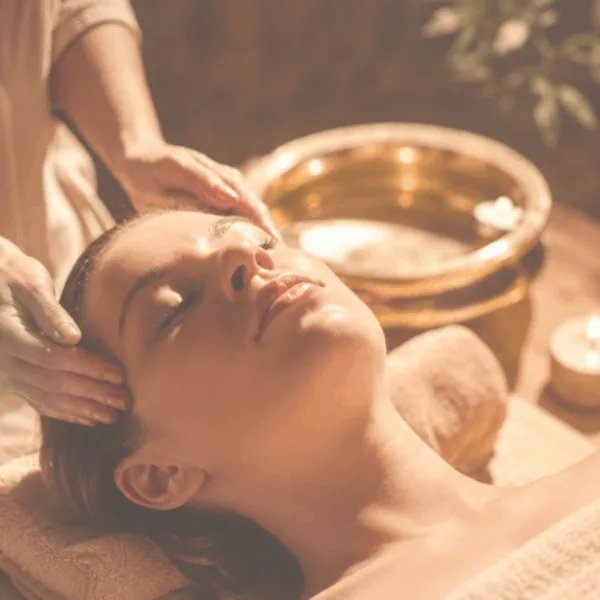
Shiro Abhyangam According to Ayurveda, the head is the seat of the mind (Manas) and houses the Indriyas (sensory organs).
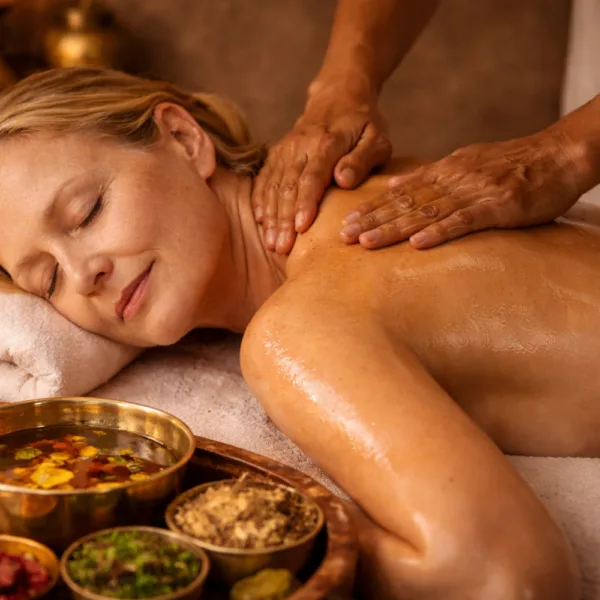
This massage is done on a one specific part of the body (Eka = one, Anga = body part).
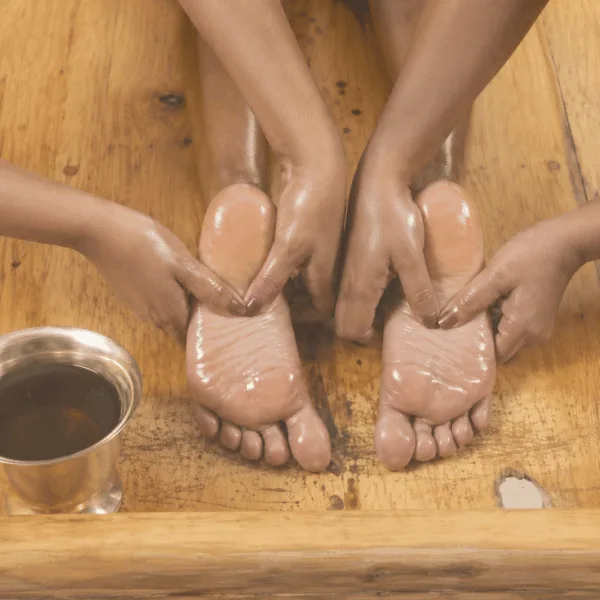
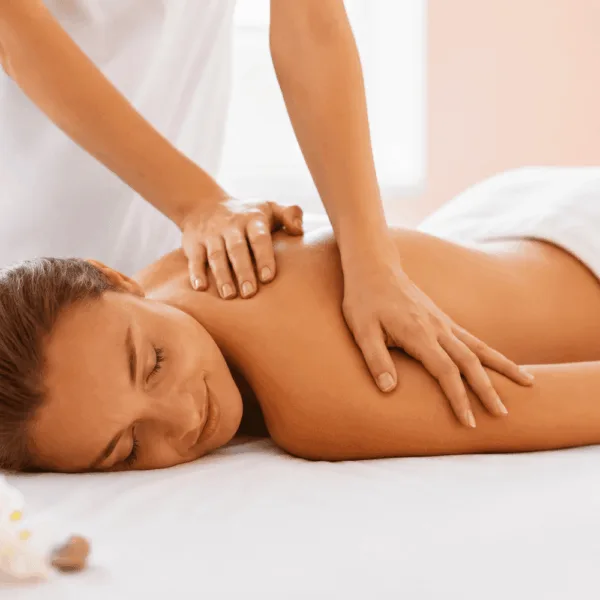
Postnatal(Postpartum) massage it’s a specialized therapy designed for women after childbirth to speed up postpartum recovery and helps in healing.
Mukha abhyanga is "mukha" means face, "abhyanga" means oil massage, also can be known as ‘Ayurvedic facelift’.
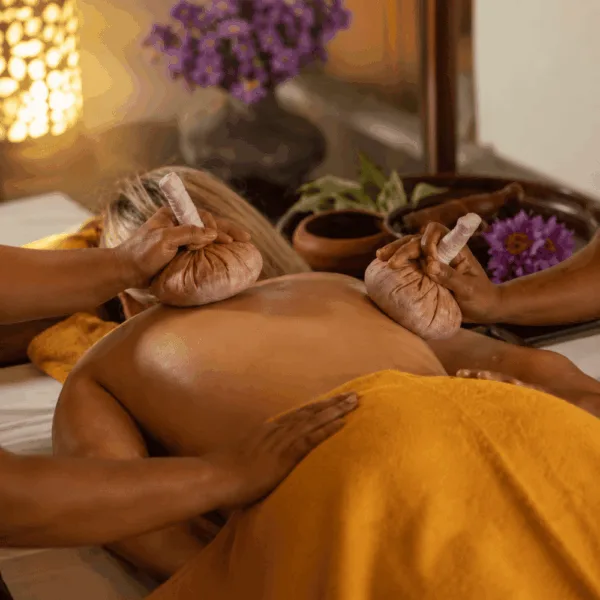
"Sankara" means a combination or mixture of medicated herbs, powder,leaves,oils or milk, while Sweda refers to sweat.
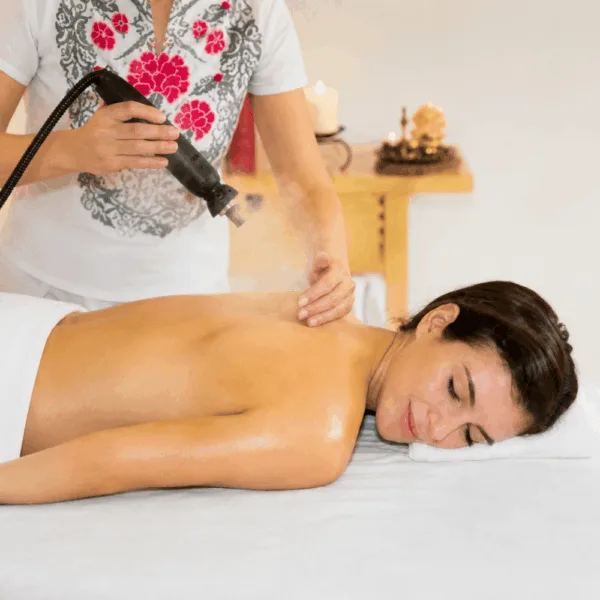
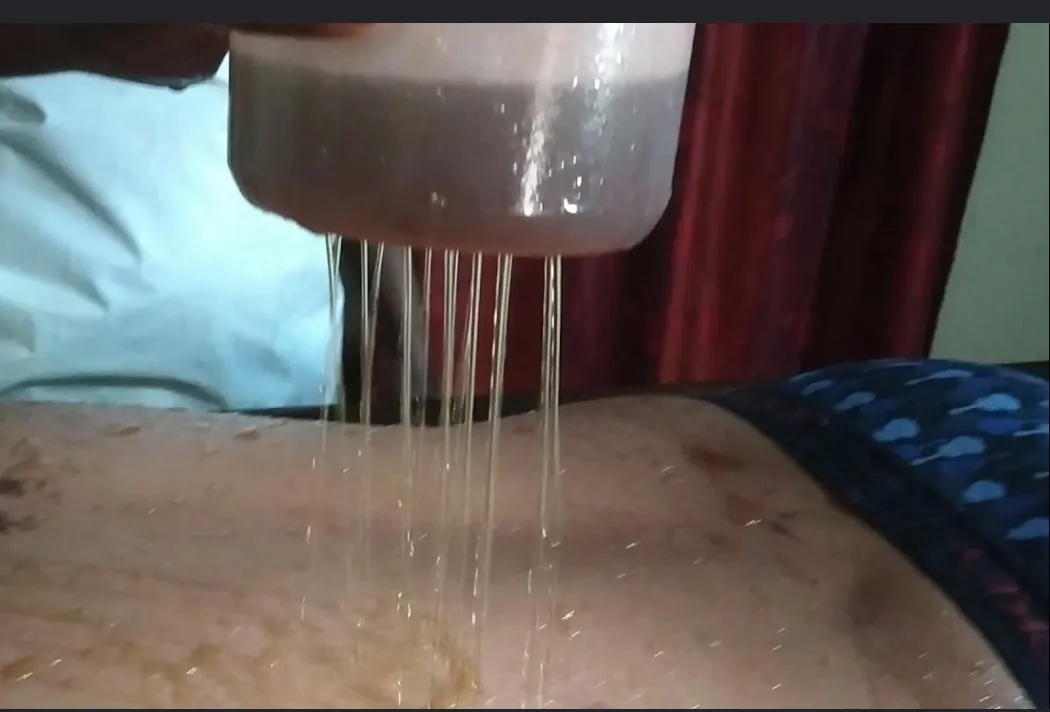
Parisheka is the process of seka (fomentation) where warm and unctuous liquids like medicated milk, oils, decoctions, mutra, kshara, ghrita or amlakanjika are continuously poured in a stream over a specific body part (ekanga) or the whole body (sarvanga) for therapeutic purposes.
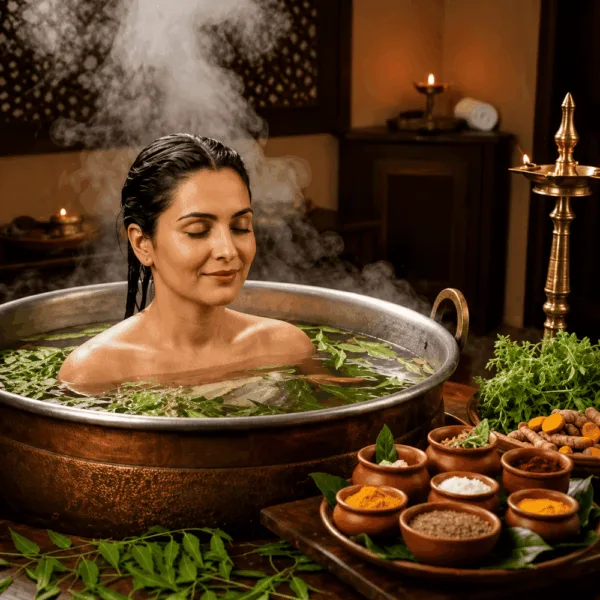
The word Avagaha means “immersing” and Sweda means “sweating,” so it prepares the body for deeper therapies by loosening toxins and promoting better absorption of medicinal substances.
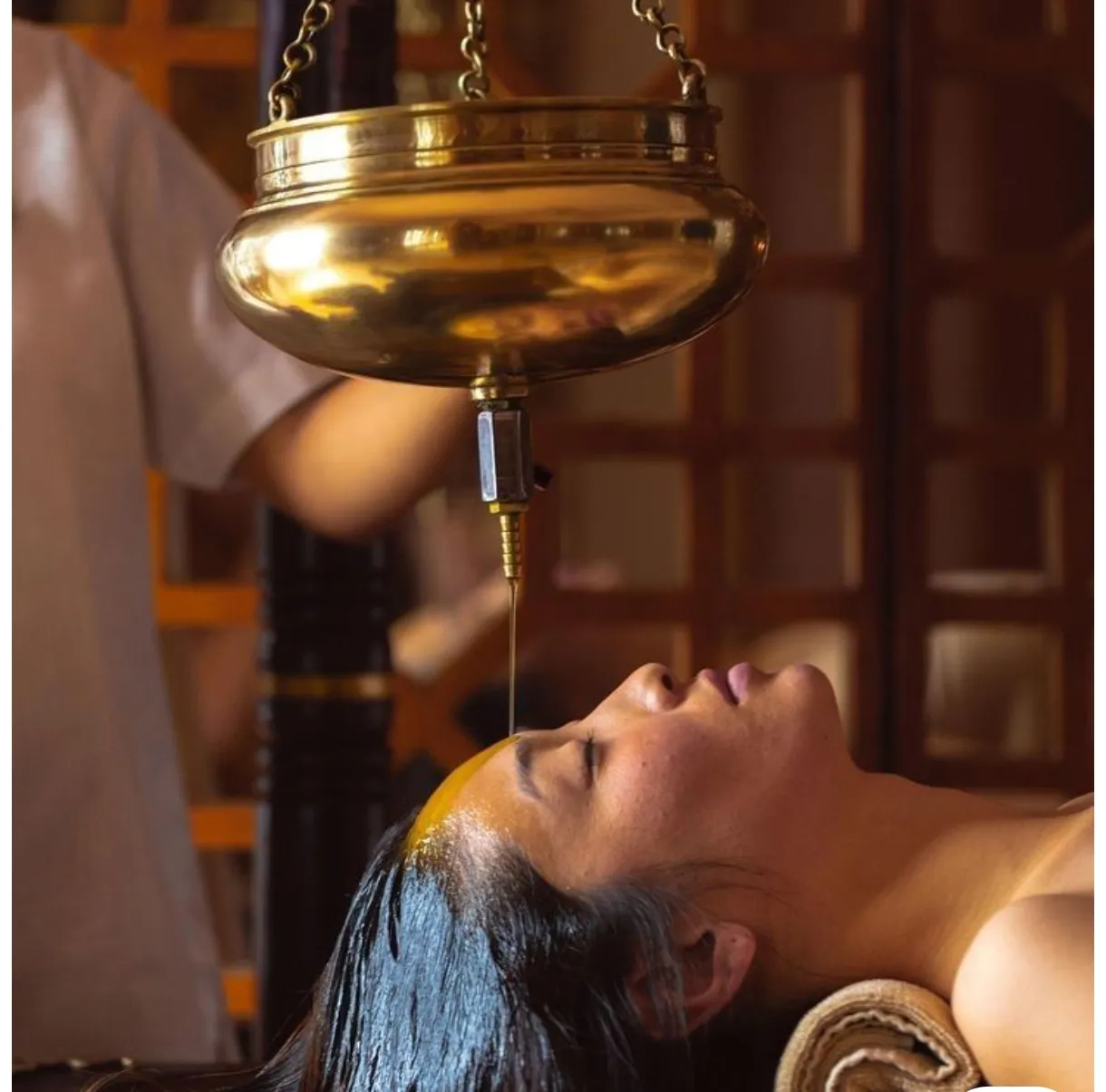
Shirodhara comes from the two Sanskrit words “shiro” (head) and “dhara” (flow).
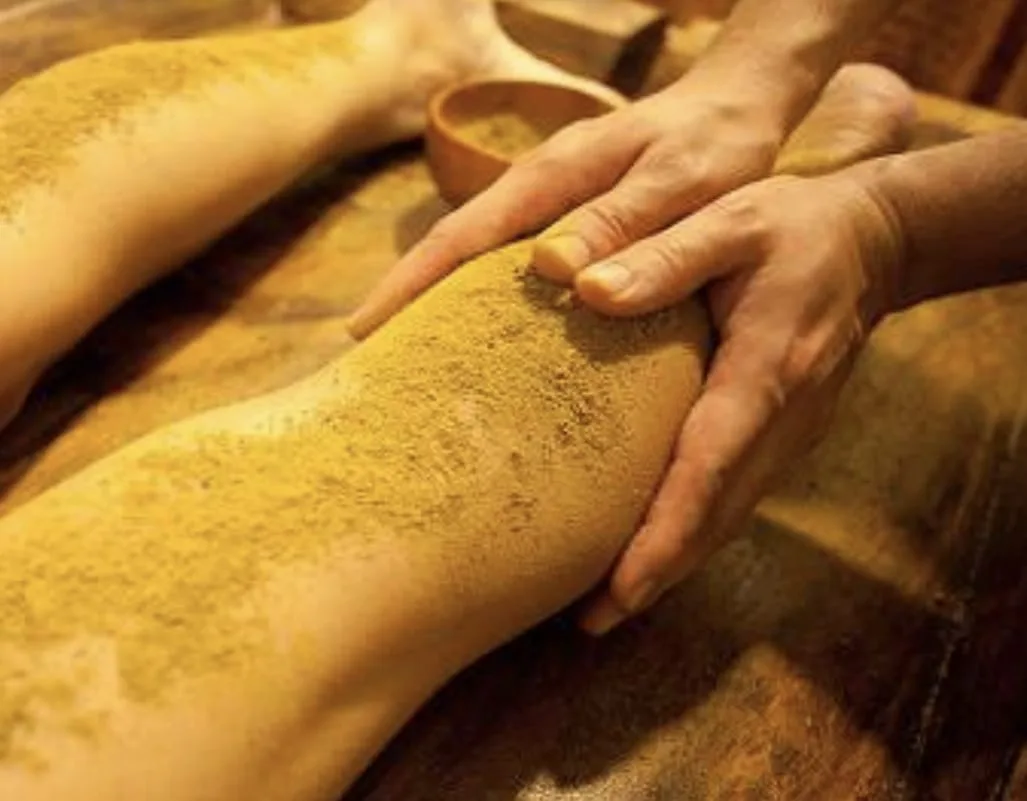
Udwartana is a procedure in Ayurveda that involves dry powder massage or herbal powder massage.
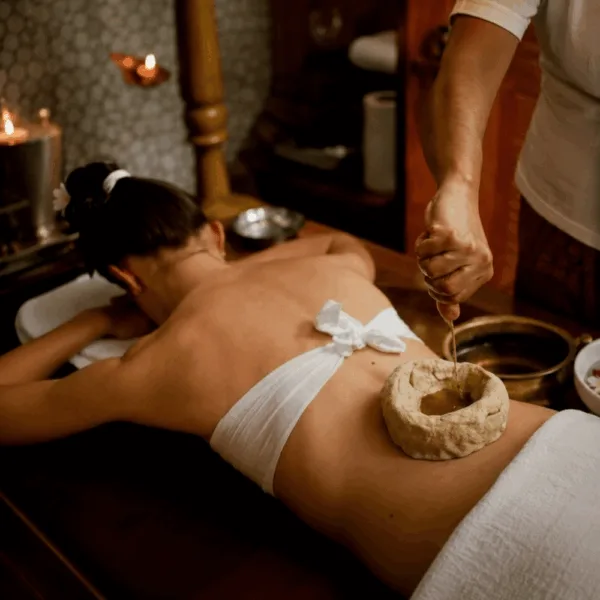
"Kati" refers to the lower back region, while “Vasti” means holding or retaining, thus Kativasti is local therapy of lower back region.
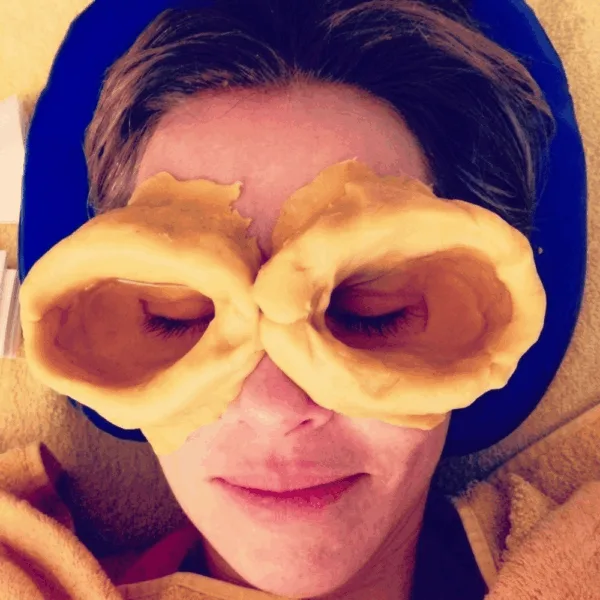
Netra" Or "Akshi" Means Eyes and "Tarpana" Means norurishment, so netra/akshi tarpana is a eye therapy in which medicated ghee is retained over the eyes with the help of a black gram dough near the eyes.
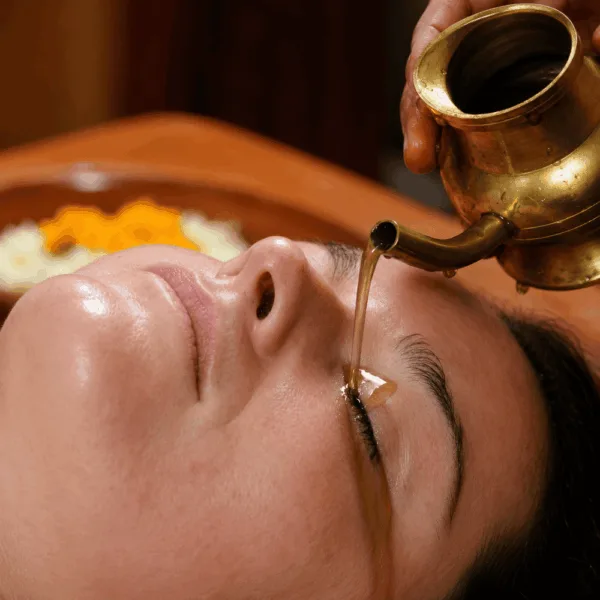
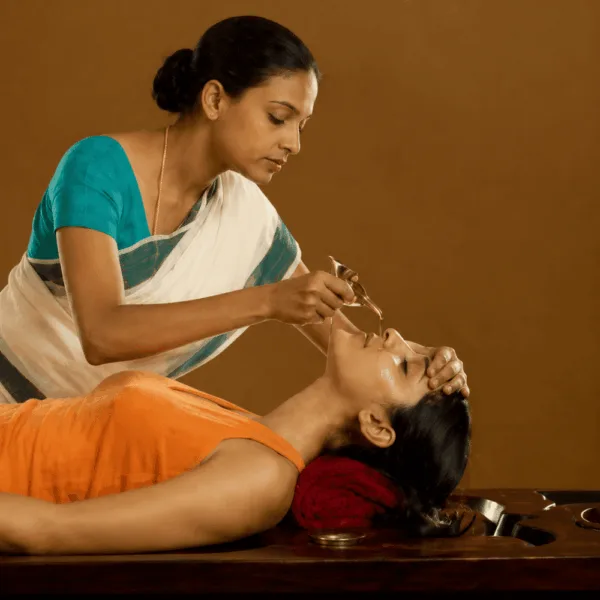
Nasya therapy is a procedure in which the medicated swarasa (Fresh juice extract), churna (Powder) or oil is applied or administratered into the nostrils.
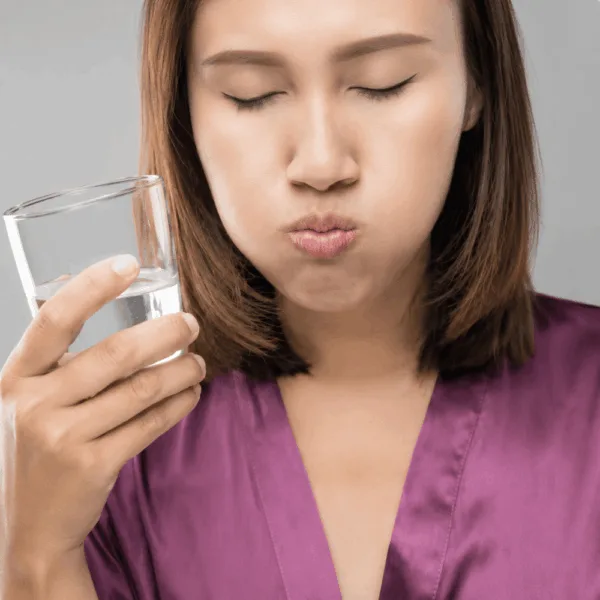
In ayurveda, Gandusha is one of the daily regular procedures for maintaining oral hygiene.It is a practice of completely filing the mouth with oil or medicated water and holding it for a few minutes without moving it inside the oral cavaity until there is discharge of secretions from eyes and nose.
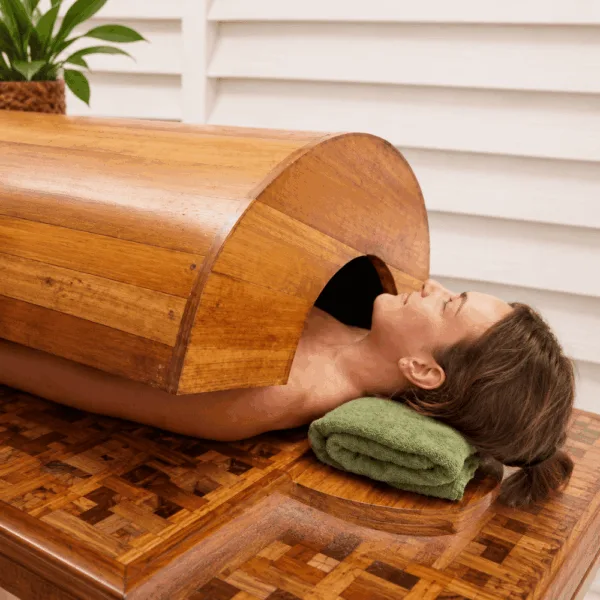
Sarvang” means “whole body,” and “Swedan” refers to “sudation” or sweating.
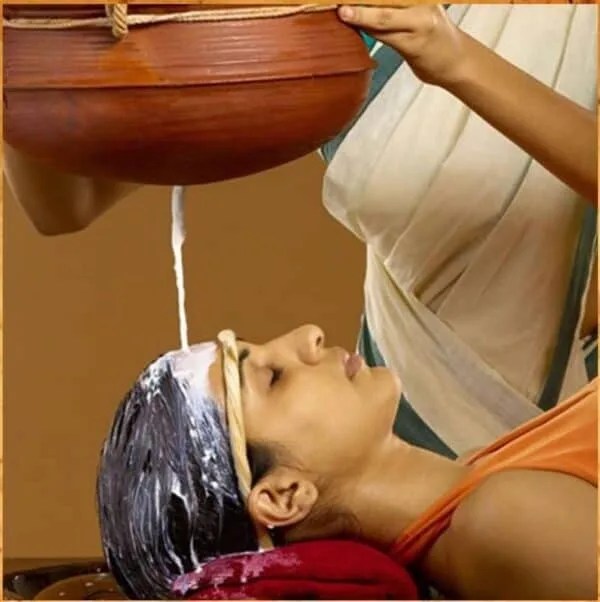
"Takra" means buttermilk and "dhara" means stream or flow .
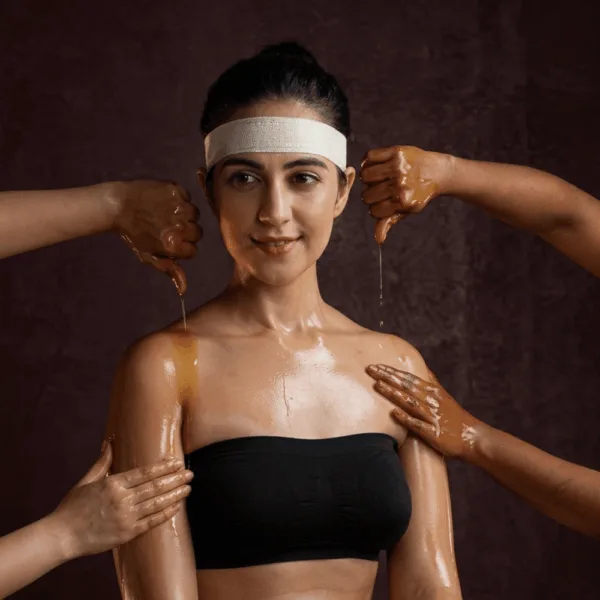
Pizhichil friction massage therapy is a real treat for mind and body.
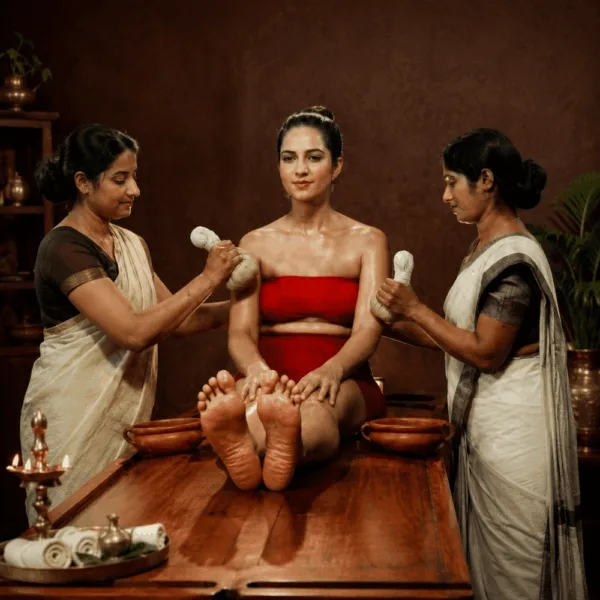
Navarakizhi/Shashtikashali Pinda Swedana massage is done with warm boluses (pouches) of special 'Navara' rice cooked in herbal decoctions and milk .
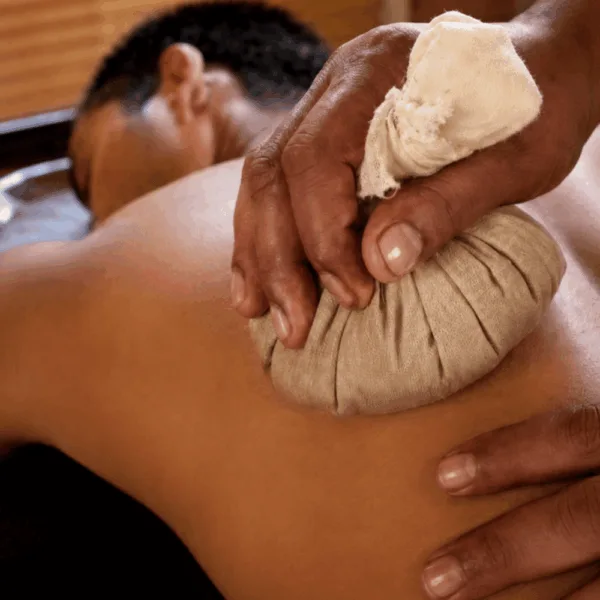
"Valuka" means sand, and in this procedure, sand is placed in a cloth and formed into a bolus (Pinda), which is then heated in a hot pan to perform the swedan.
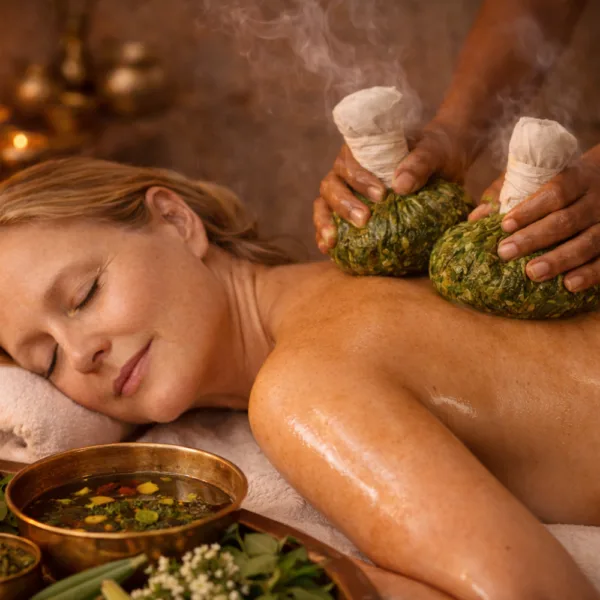
"Ela” means “leaves” and “kizhi” means “pouch”.
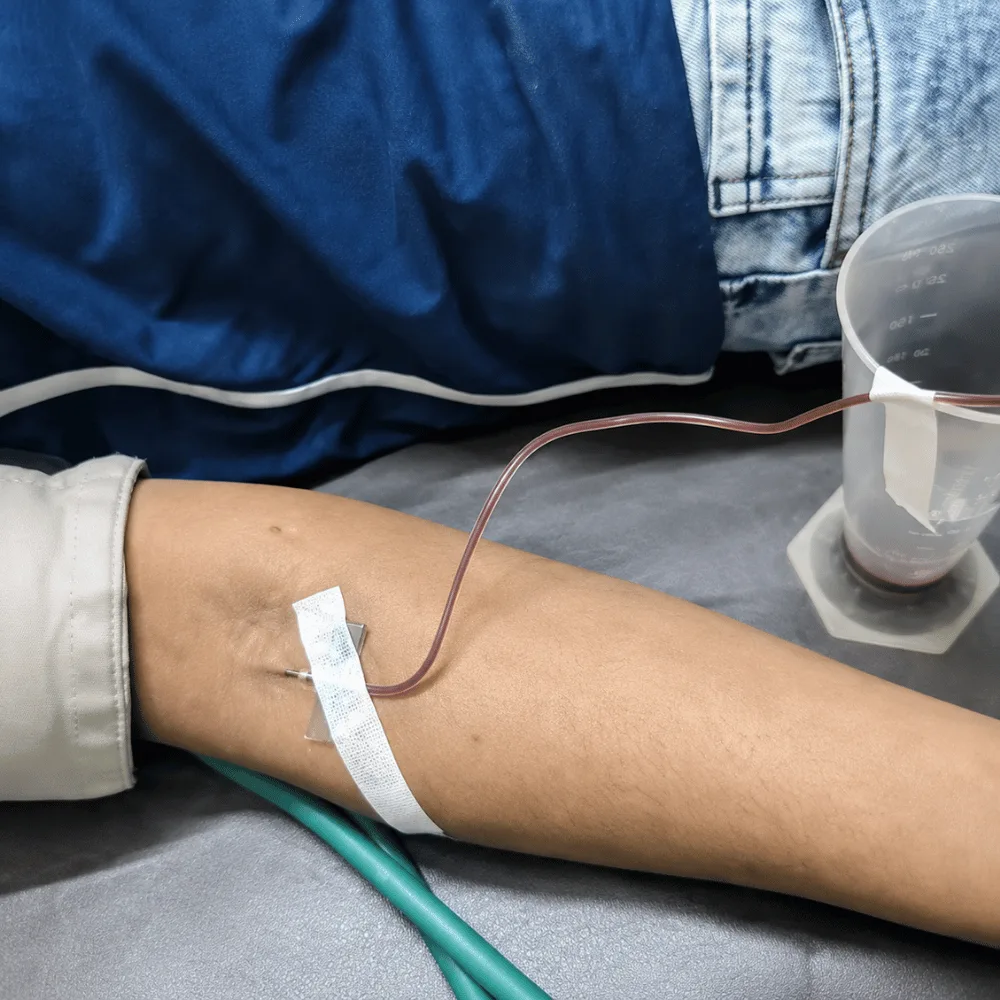
It is a bloodletting procedure in which veins are punctured locally to extract a small amount of blood.
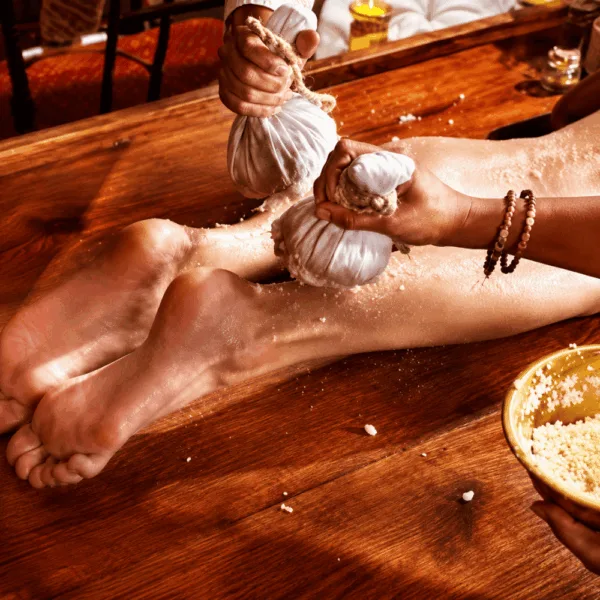
Churna Pinda Sweda is the therapy involves the application of warm, medicated herbal powders tied in boluses (pouches/pinda/potli) that are gently massaged over the body, inducing perspiration and enhancing the therapeutic effects.
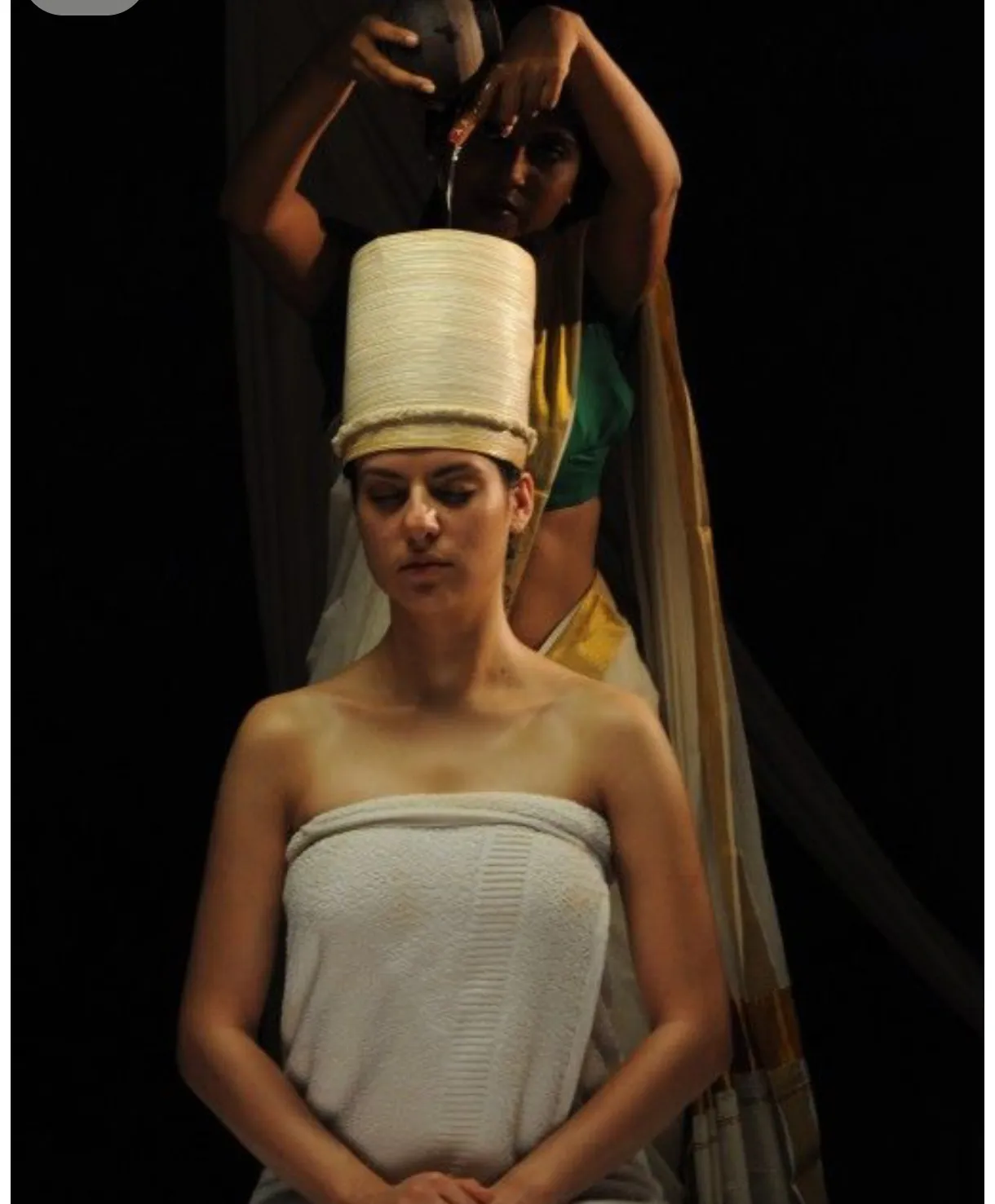
"Shiro" means head "Basti" means to hold or retain, it is a process in which a leather hat is filled with warm herbal oils and kept on the patient’s head for a certain length of time.
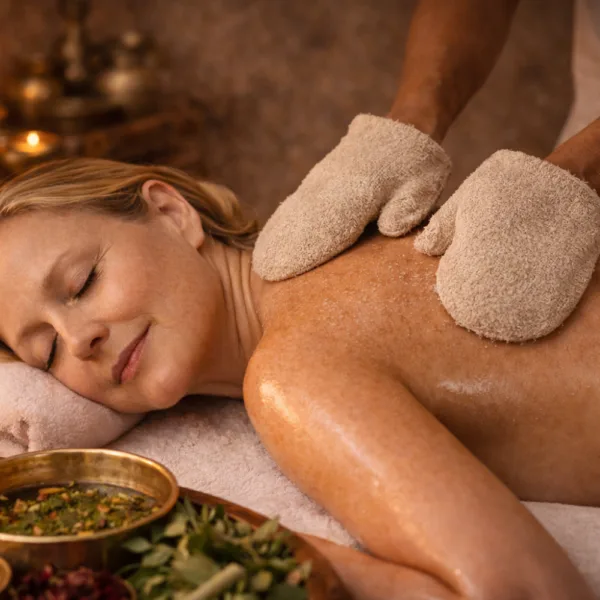
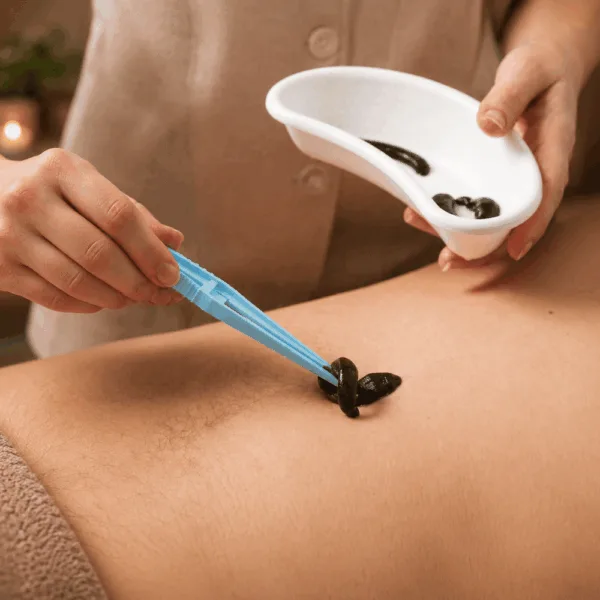
It involves placing medicinal leeches (Hirudo medicinalis) on the skin so they attach and feed on blood.
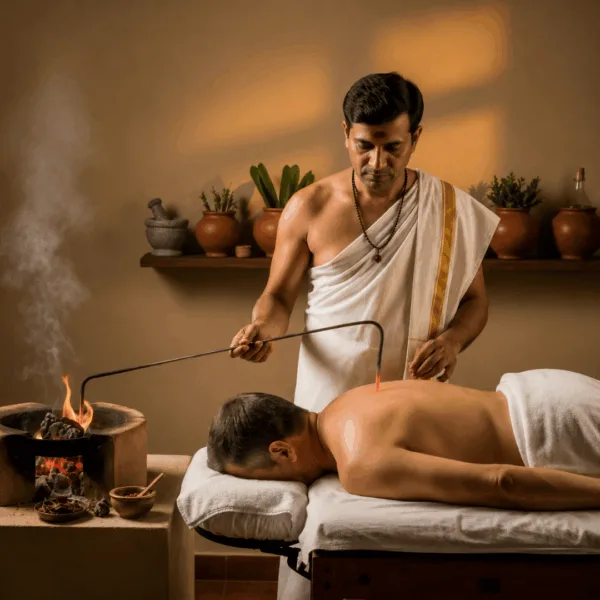
"Agni karma’, also known as ‘dahan karma’, is a process used in Ayurveda for various benign diseases that are characterised by pain or bleeding.
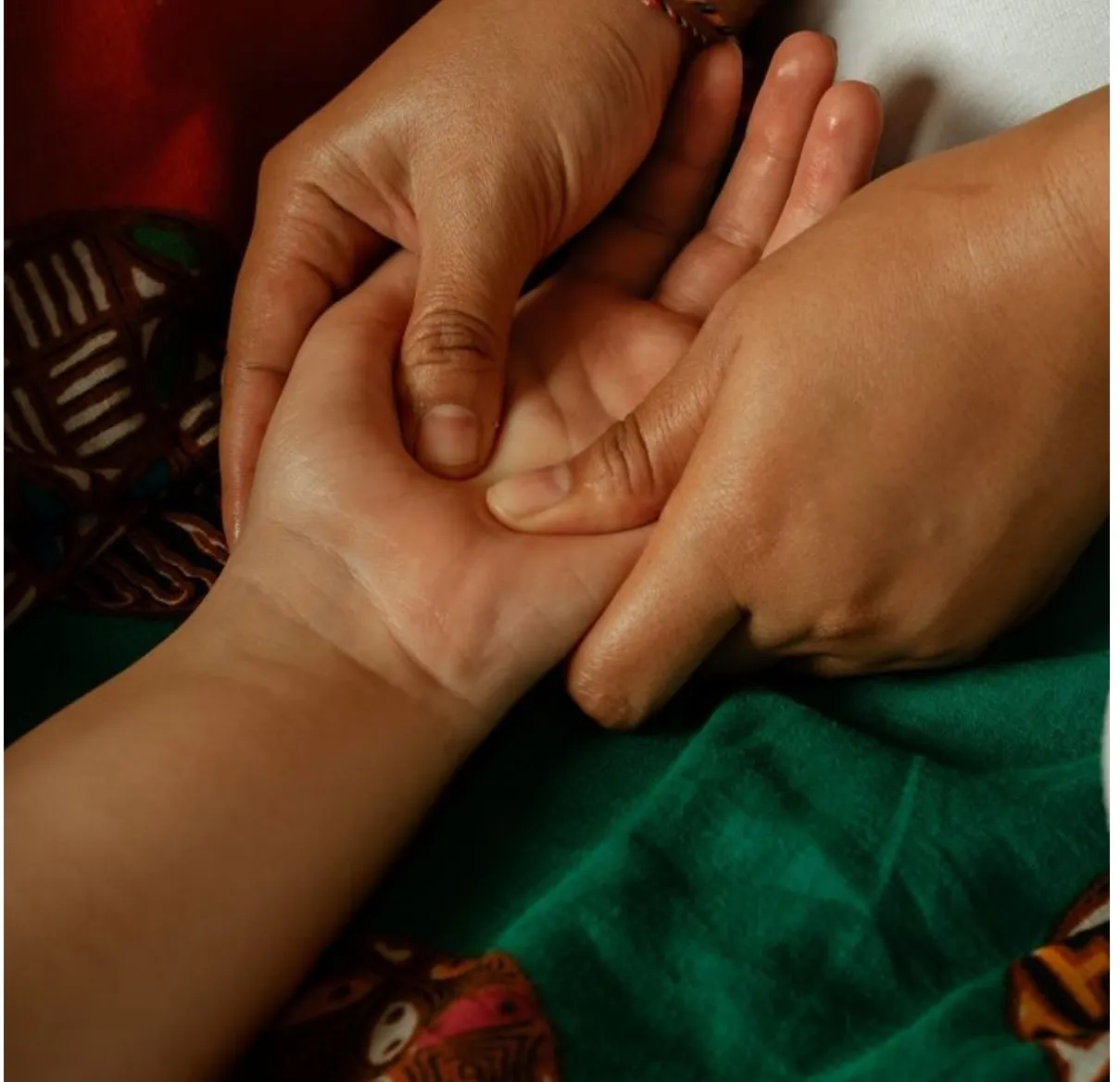
"Marma" means a vital point or a junction where different tissues anatomically meet, such as muscles, bones, nerves, blood vessels, etc.
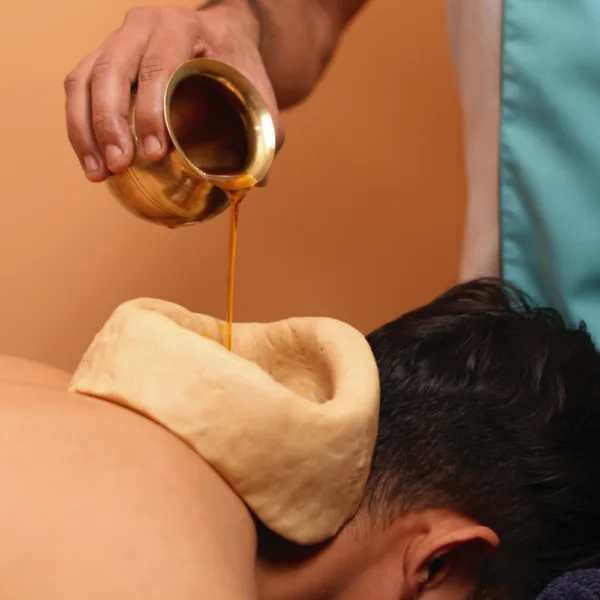
Griva Vasti is a ayurvedic procedure localized to treat diseases in the cervical region of the spine.
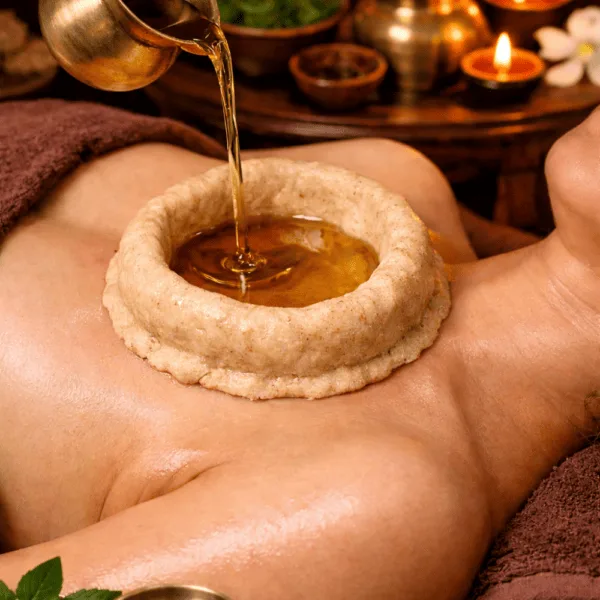
Hridaya basti is ayurvedic therapy that focuses on the nourishment of the heart.
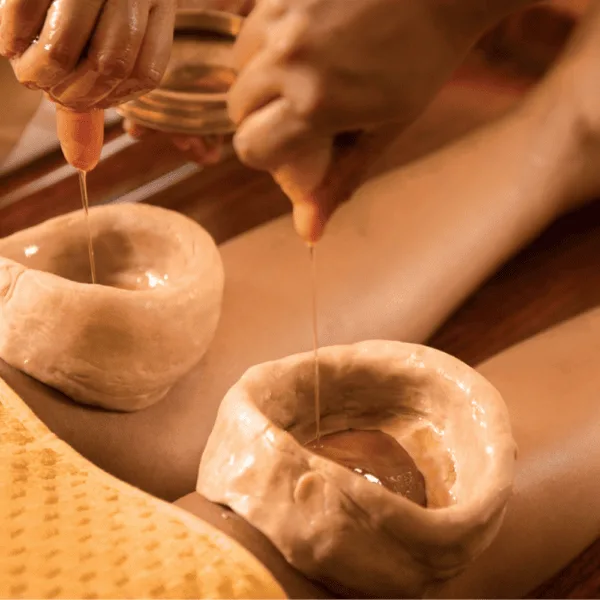
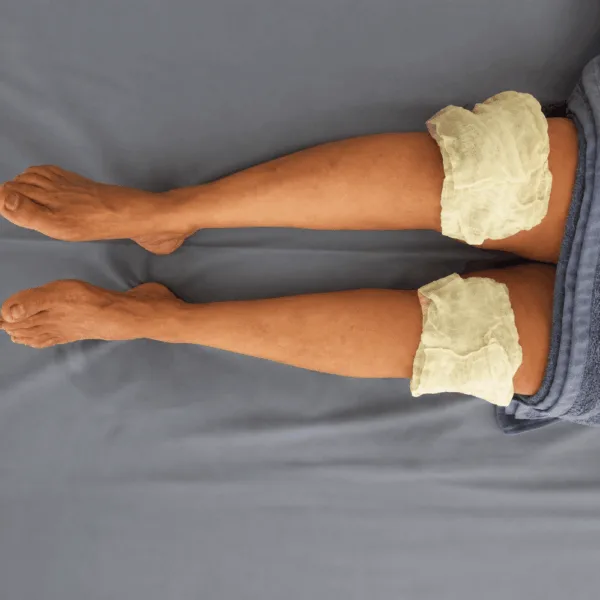
"Janu" means Knee joint and "Vasti" means to hold (compartment which holds).
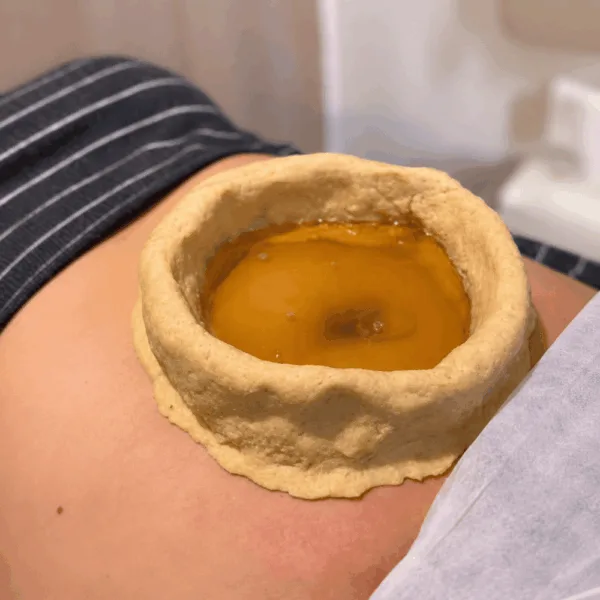
Udar Vasti Or Nabhi vasti Or Chakra vasti is an Ayurvedic procedure where a compartment is formed with the help of black gram dough.
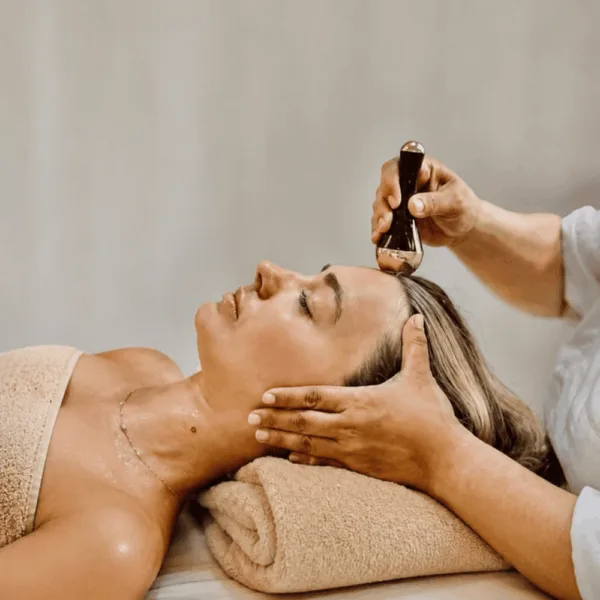
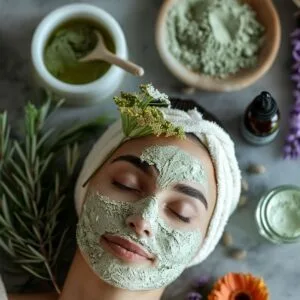
It is known as Mukha Lepana or Ayurvedic Mukhabhyanga is a face skin treatment using herbal, natural ingredients extracted from plants, flowers, leaves mixed with medicated oils and is applied on face for a specific duration of time.
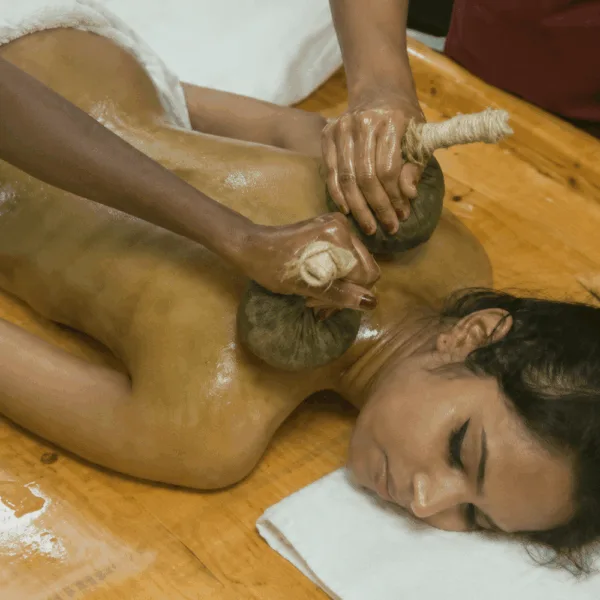
Naranga kizhi Naranga means "citrus fruits" Kizhi means "special preparation of boluses" Or poultices filled with medical ingredients and herbal powders and citrus fruits such as wild lemons (naranga) are rubbed on the body to induce sweating.
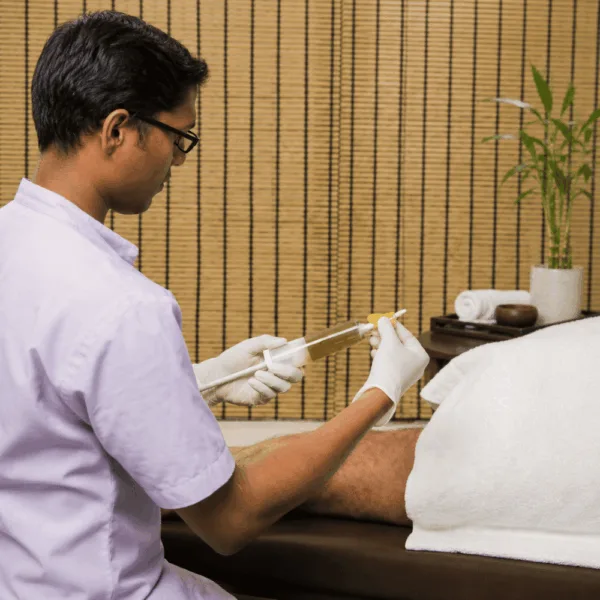
Matra Basti is an Ayurvedic enema nourishing in nature, medicated oils given through the rectal route.
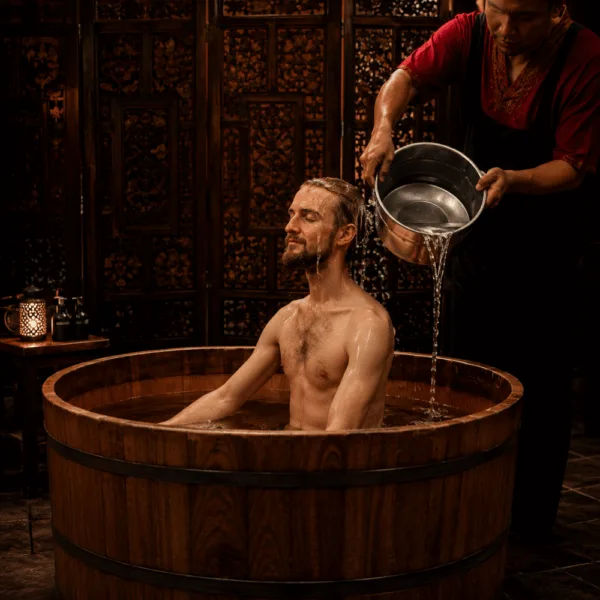
The word Avagaha means “immersing” and Sweda means “sweating,” so it prepares the body for deeper therapies by loosening toxins and promoting better absorption of medicinal substances.
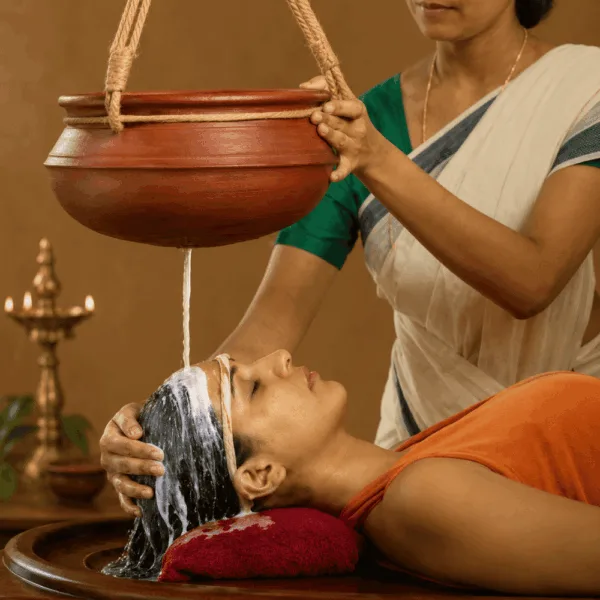
Ksheerdhara is an ayurvedic therapy where medicated milk or other milk based liquids are poured over the forehead to help balance the psychosomatic functions.
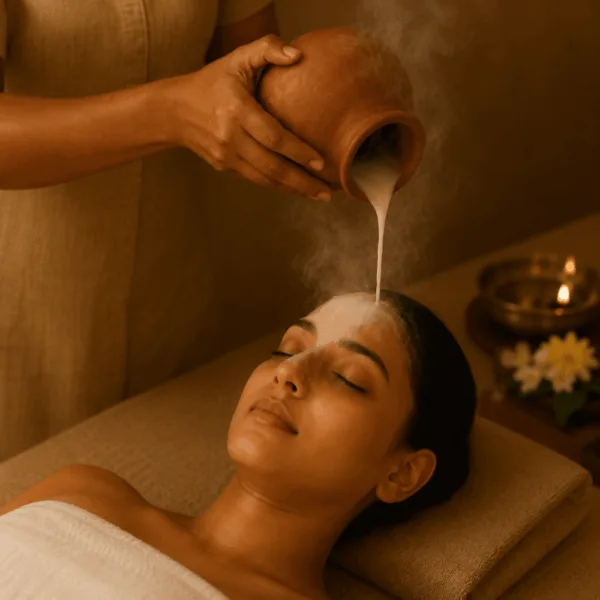
It is a ayurvedic therapy where medicated milk steam is given on face, head and neck.
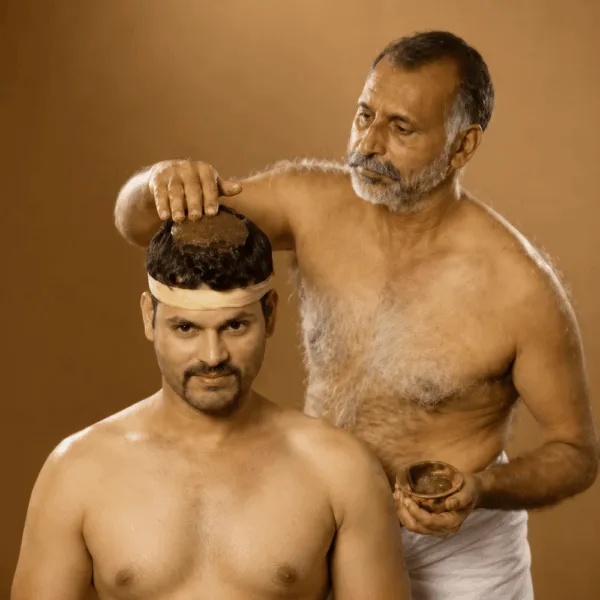
Thalam is an Ayurvedic treatment where a medicated paste or herbal oil is applied at the center of the head, the "bregma" point.
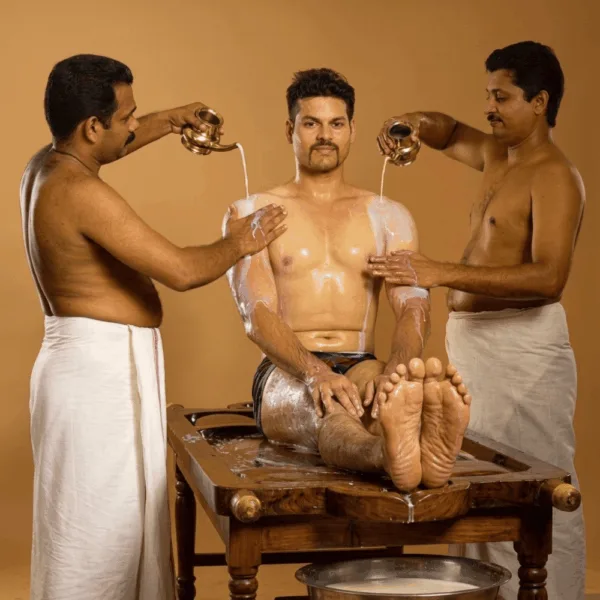
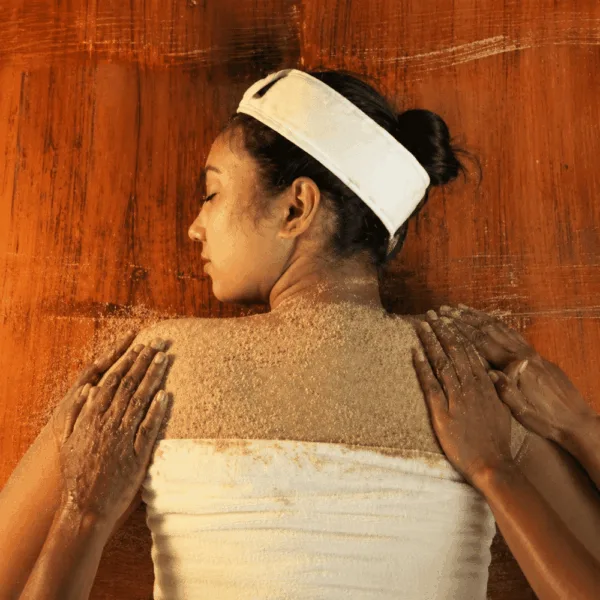
Lepanam is the application of a medicinal herbal paste on the affected area.
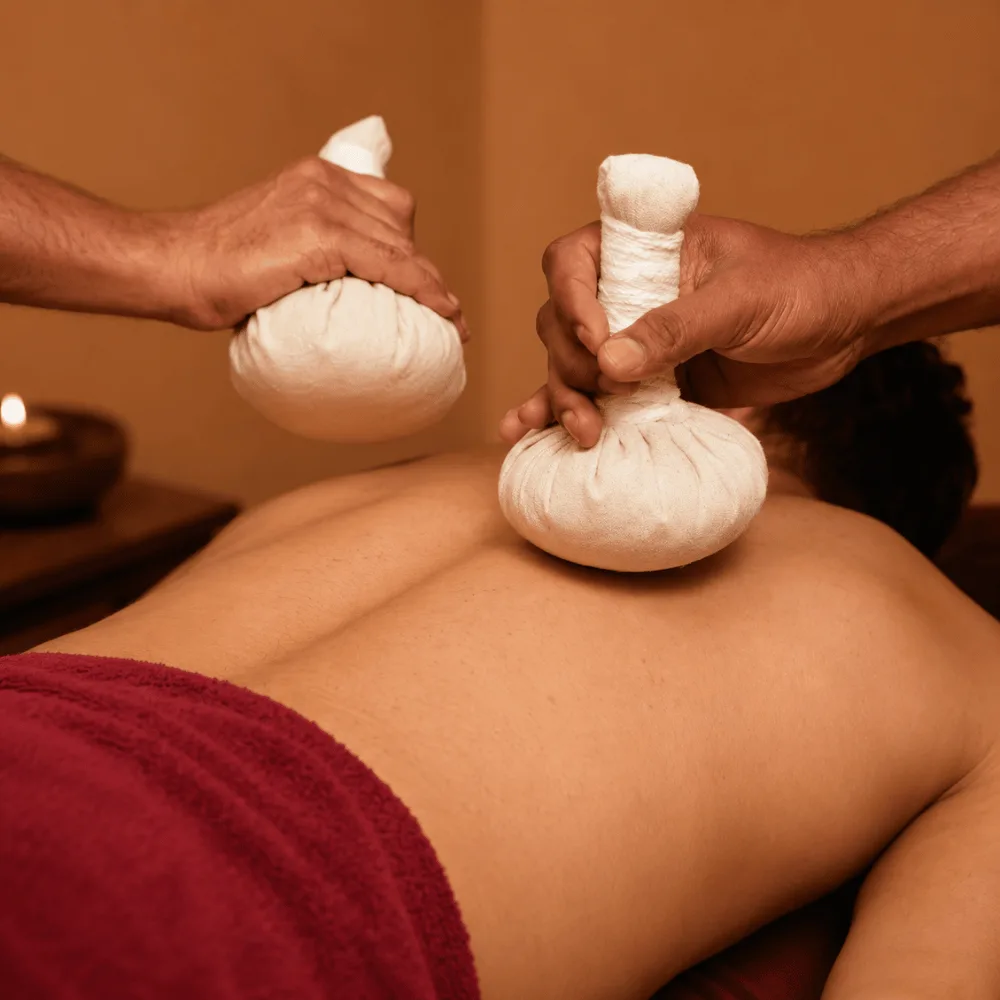
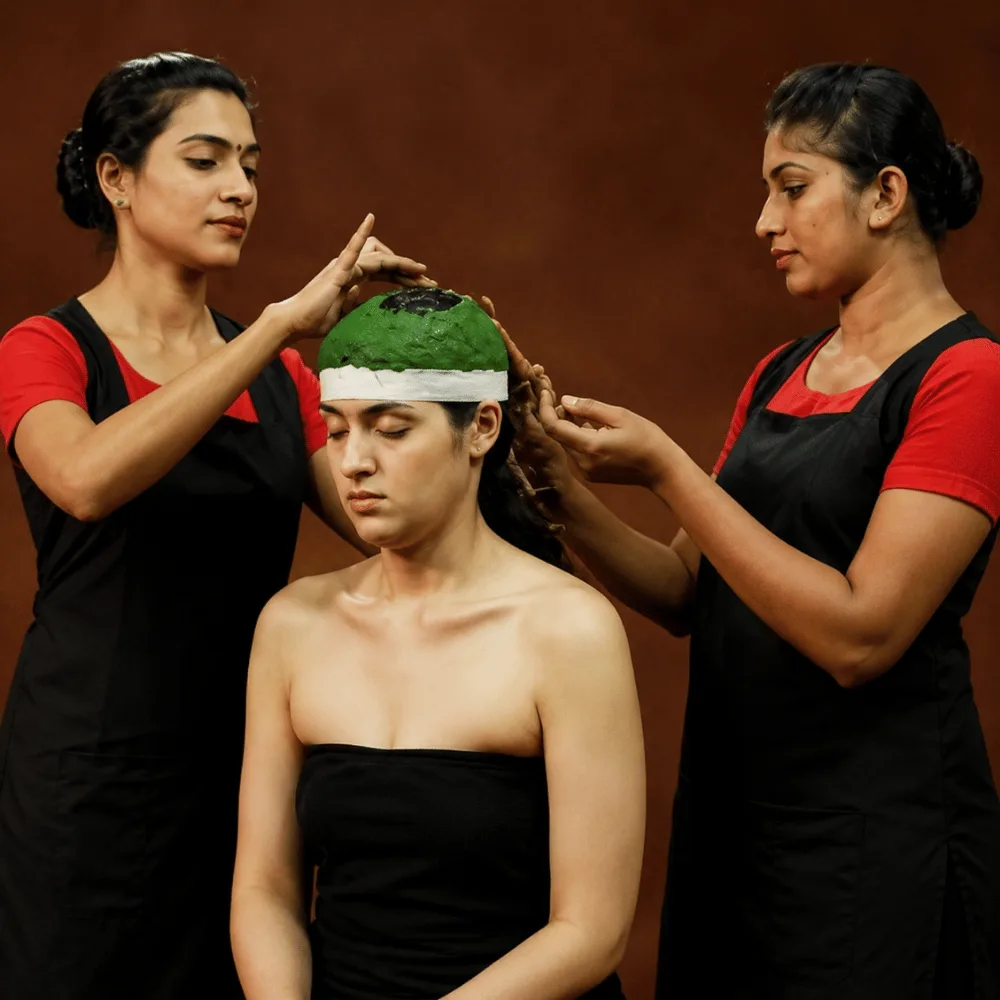
Thalapothichil, "thala" means head and "pothichil" means covering the scalp will be completely covered in herbal pastes which will penetrate and nourish the brain and central nervous system, and rejuvenate .
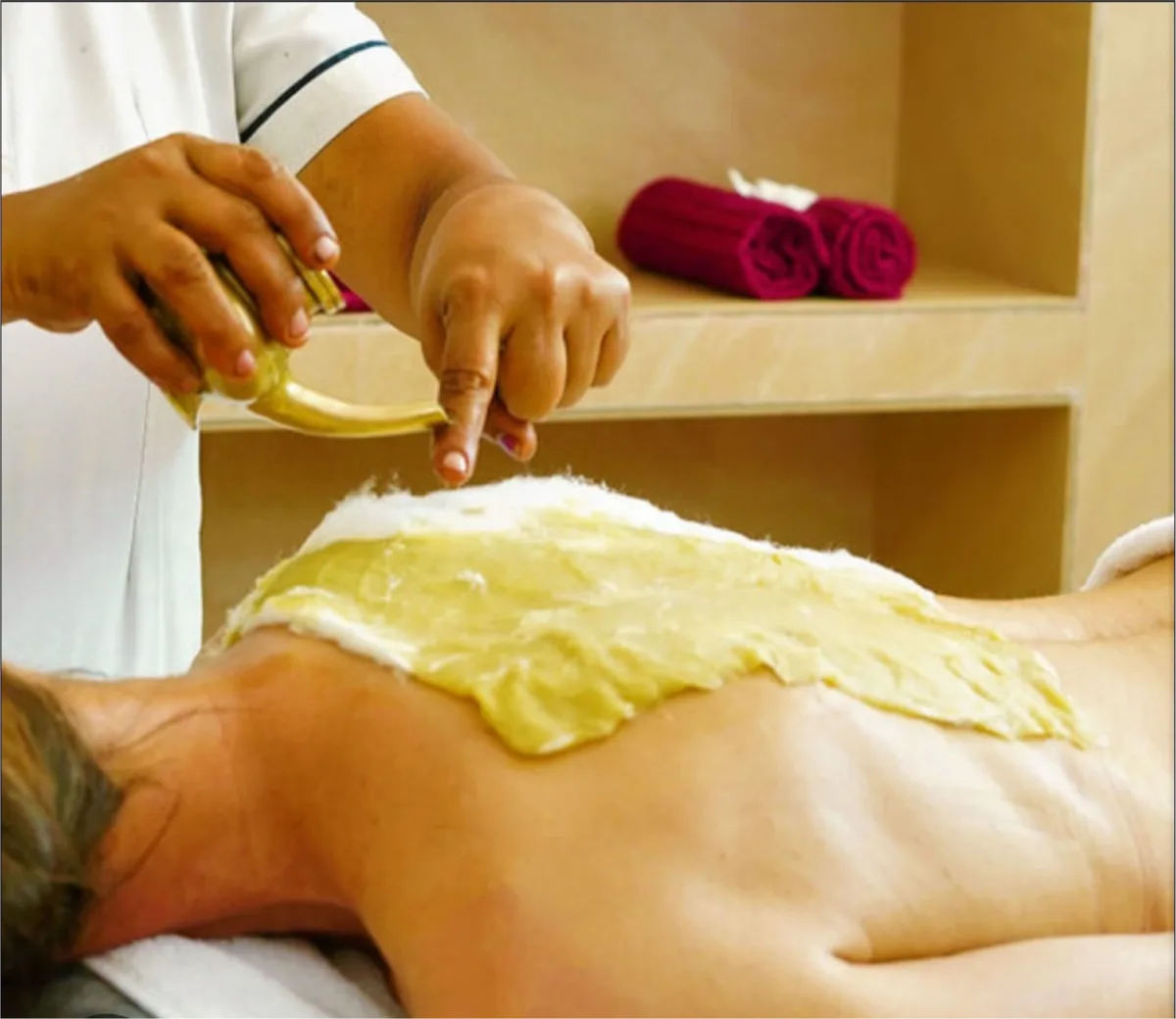
Pichu is done by soaking cotton in oil and applying it to a specific part of the body for a specific period of time depending on the area and condition.
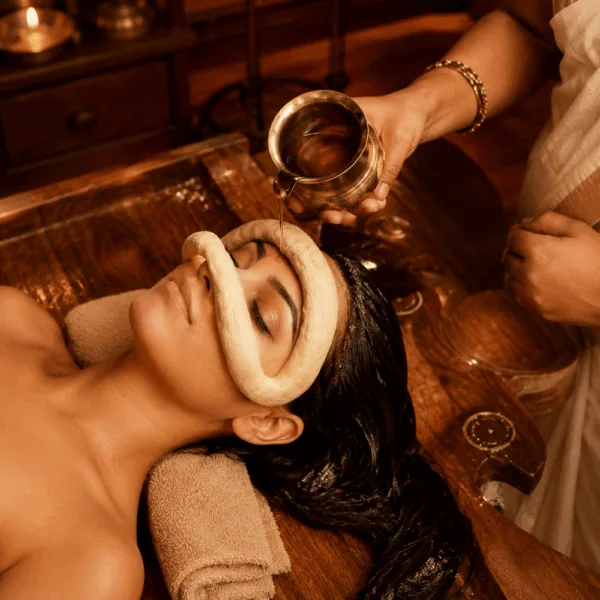
Putapaka is a process in which lukewarm medicinal juice (swarms), created with the aid of putapaka vidhi, is made to remain stagnant in the eyes.
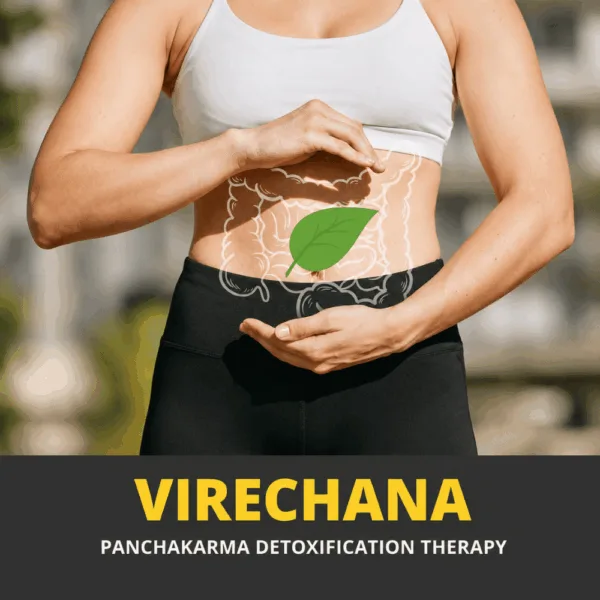
Virechana procedure is an ancient Ayurvedic treatment for detoxification where Pitta dosha and toxins are removed from the body.
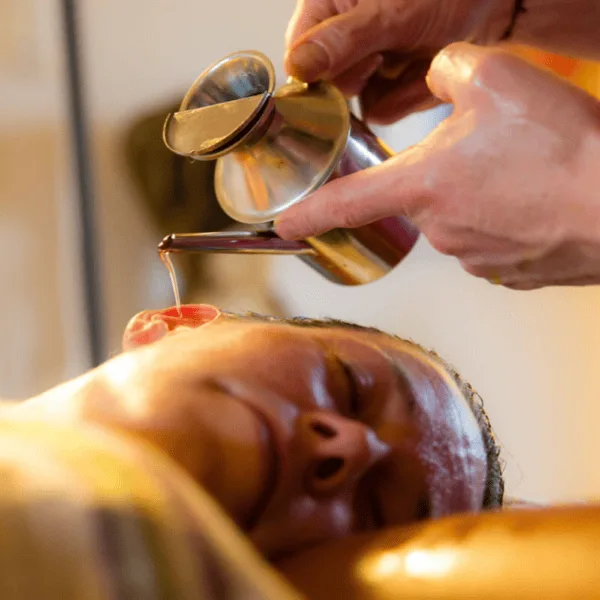
Putapaka is a process in which lukewarm medicinal juice (swarms), created with the aid of putapaka vidhi, is made to remain stagnant in the eyes
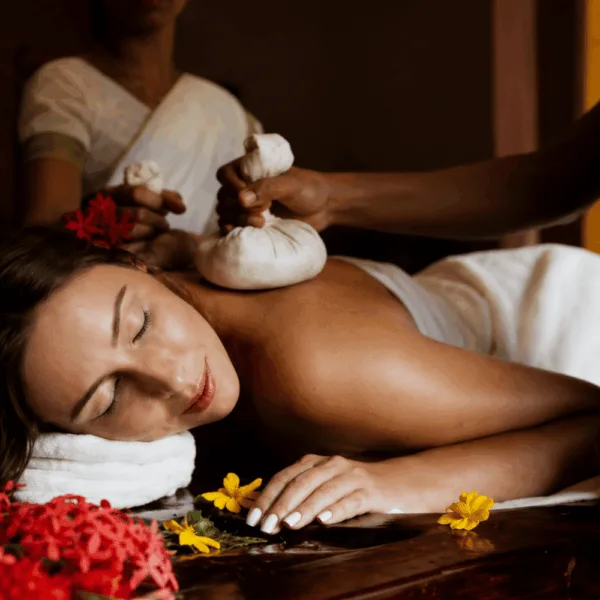
Kadikizhi is an Ayurvedic therapy using heated herbal powders tied in boluses to reduce pain, stiffness, and swelling.
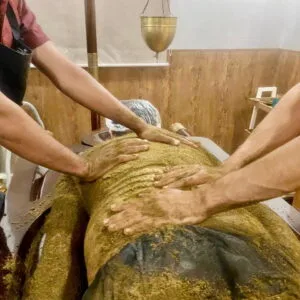
Udgharshana is an Ayurvedic dry powder massage used to reduce excess fat and improve circulation.
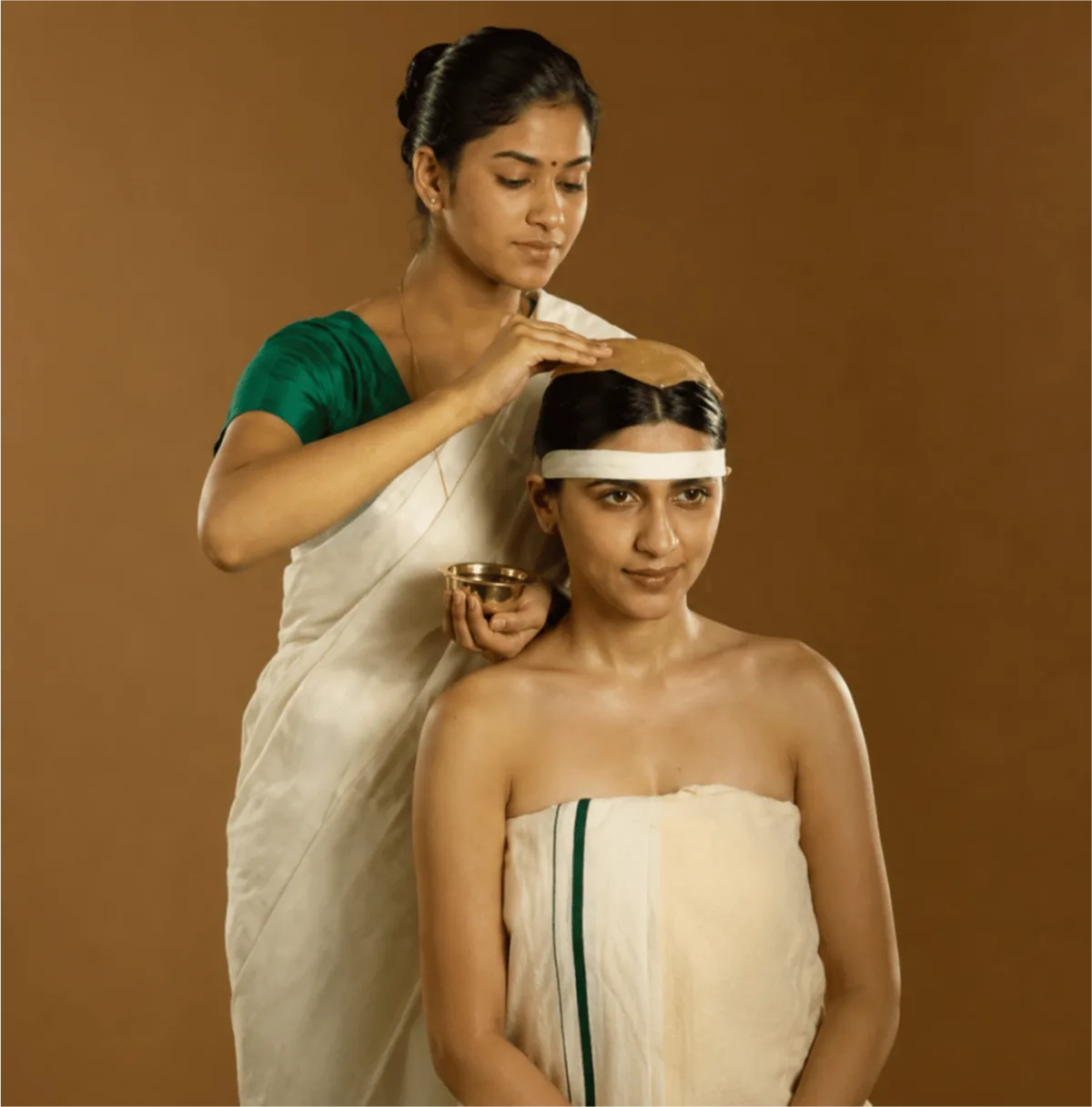
The Shiro Pichu in Ayurveda is an oil treatment that is less known but very effective.
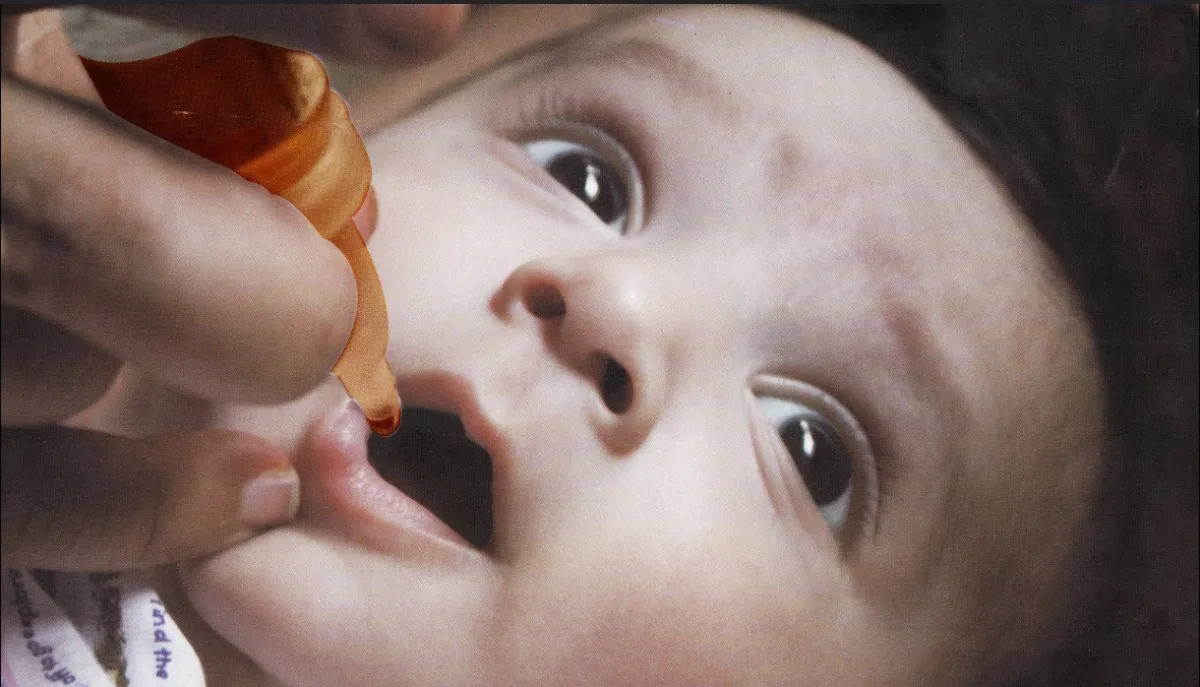
Swarna Prāśana is a classical Ayurvedic formulation given to children to support immunity, improve memory and intellectual development, and promote healthy overall growth.
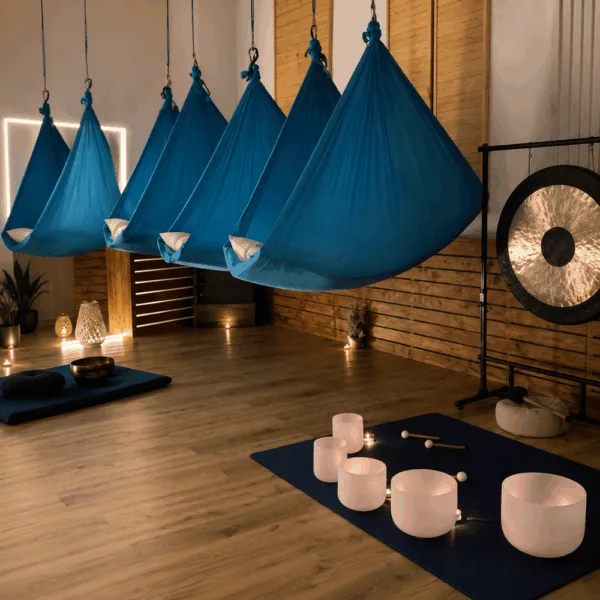
Womb Therapy is a holistic, non-medical treatment that focuses on supporting the health of the reproductive organs, particularly the uterus and pelvic region.
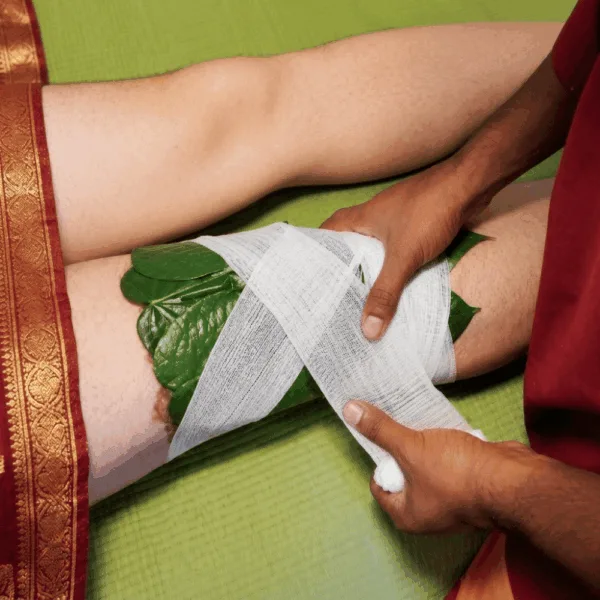
Janu Lep is an ancient Ayurvedic treatment where medicinal herbal paste is applied in warm form to the joint area of the knee.
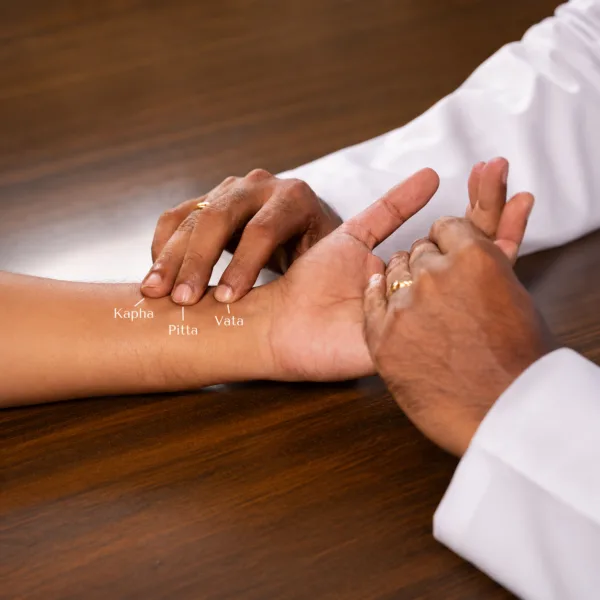
Nadi Pariksha is one of the oldest practices in Ayurveda which involves pulse diagnosis to find out the dosha composition of the body.
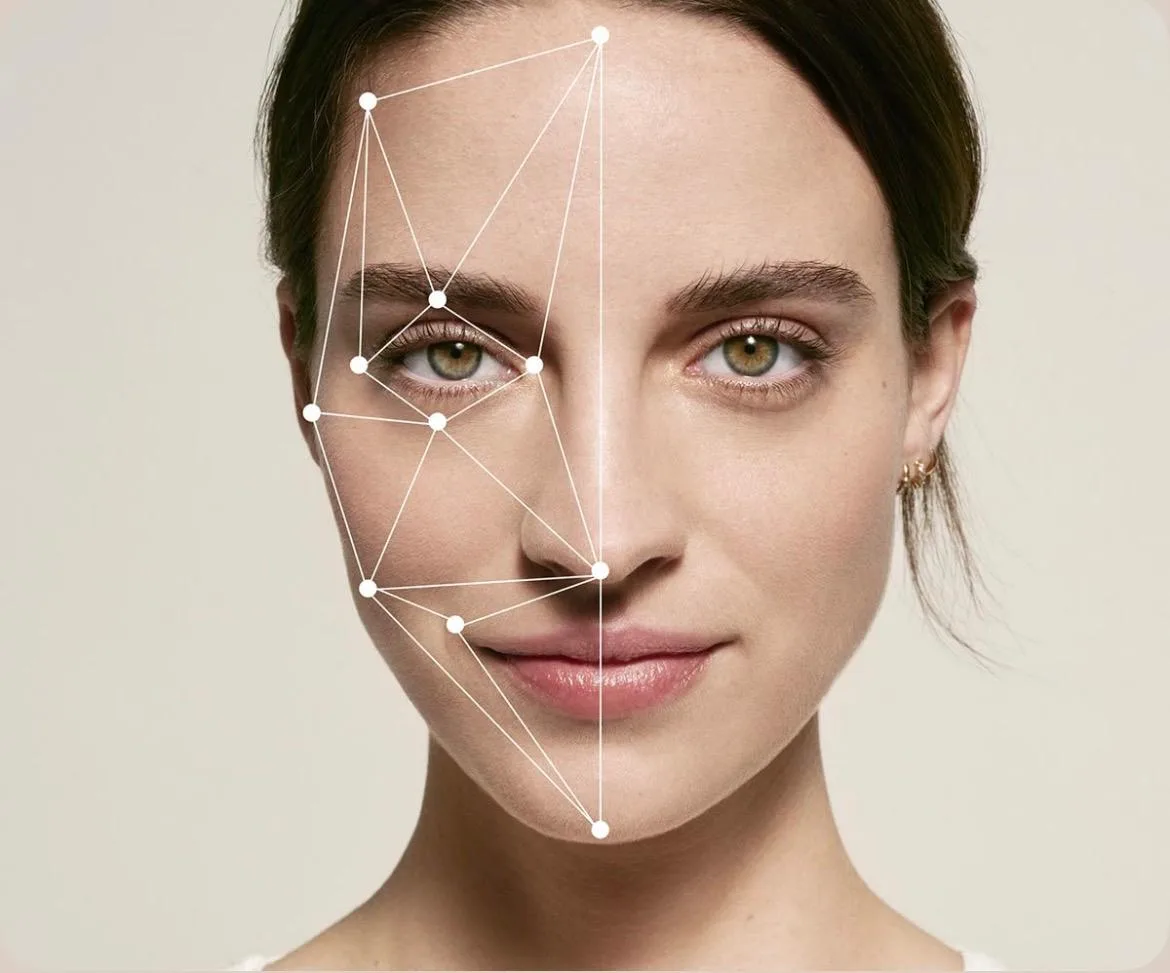
Facial diagnosis is an analytical process that interprets physical features, skin conditions, and complexions to evaluate overall health or identify specific medical disorders.
Keep exploring
Six healing traditions under one roof.
Book a consultation and our practitioners will match you with the right therapy for your goals.