



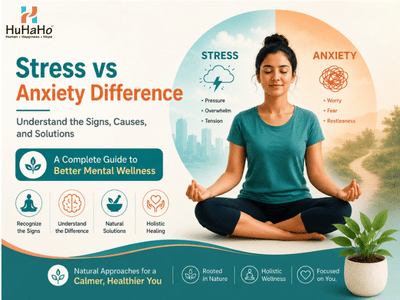
Mental well-being has become a major concern in today’s fast-paced world. Millions of people experience emotional pressure daily, but many struggle to identify whether they are dealing with stress or anxiety. Understanding the stress vs anxiety difference is essential because the causes, symptoms, and treatment approaches can vary significantly.
In India, increasing work pressure, financial concerns, academic competition, and lifestyle changes have contributed to a rise in both stress and anxiety-related issues. This article will help you understand the stress vs anxiety difference, recognize common symptoms, and explore effective solutions for better mental health
What Is Stress?
Stress is the body’s natural response to a challenging situation or external demand. It can occur due to work deadlines, family responsibilities, financial pressure, health concerns, or major life changes.
Stress is usually linked to a specific cause and often subsides once the triggering situation is resolved.
Common Symptoms of Stress
- Irritability and mood swings
- Difficulty concentrating
- Headaches and muscle tension
- Fatigue and low energy
- Sleep disturbances
- Increased heart rate
- Digestive problems
Many people facing stress anxiety problems often notice that stress directly affects their physical and emotional health.
What Is Anxiety?
Anxiety is a feeling of excessive worry, fear, or nervousness that may persist even when there is no immediate threat. Unlike stress, anxiety can continue long after a stressful event has passed.
People experiencing anxiety often anticipate negative outcomes and may struggle with constant worry about everyday situations.
Common Symptoms of Anxiety
Excessive worrying
Restlessness
Panic attacks
Rapid breathing
Increased sweating
Difficulty sleeping
Persistent fear or nervousness
Understanding the stress vs anxiety difference is important because anxiety can become chronic and may require professional support if left untreated.
Stress vs Anxiety Difference: Key Factors
The stress vs anxiety difference can be better understood by examining several important factors.
Factor | Stress | Anxiety |
Cause | Usually linked to an external situation | May occur without a clear trigger |
Duration | Temporary and situation-based | Can persist for long periods |
Emotional Response | Pressure and overwhelm | Fear, worry, and apprehension |
Physical Symptoms | Muscle tension, fatigue, headaches | Panic, rapid heartbeat, trembling |
Resolution | Improves when stressor is removed | May continue even after stressor ends |
When discussing the stress vs anxiety difference, the most significant distinction is that stress often has a clear cause, while anxiety may persist independently.
Stress in India: A Growing Concern
The issue of stress in India has increased significantly in recent years. Urban lifestyles, demanding work schedules, competitive educational systems, and financial responsibilities have made stress a common challenge across age groups.
Studies indicate that young professionals, students, and working parents are particularly vulnerable to stress in India. Long working hours and limited work-life balance further contribute to emotional strain.
If not managed properly, stress in India can eventually lead to serious physical and psychological health issues, including anxiety disorders, hypertension, and sleep disturbances.
Anxiety in India: Rising Mental Health Challenges
Just like stress, anxiety in India is becoming increasingly common. Social pressures, career uncertainty, relationship challenges, and digital overload have contributed to growing anxiety levels among individuals.
Mental health experts report that anxiety in India affects people of all ages, including teenagers and older adults. Unfortunately, many individuals delay seeking help due to stigma or lack of awareness.
Recognizing the stress vs anxiety difference can encourage early intervention and better mental health outcomes.
Need Professional Support for Stress and Anxiety?
If you are experiencing persistent emotional distress, recurring worries, or physical symptoms affecting your daily life, professional guidance can help.
Common Stress Anxiety Problems
Many individuals experience overlapping symptoms that make it difficult to distinguish between stress and anxiety.
Some common stress anxiety problems include:
Sleep disorders
Difficulty focusing
Reduced productivity
Emotional exhaustion
Relationship conflicts
Digestive discomfort
Increased risk of chronic illnesses
Addressing stress anxiety problems early can prevent them from developing into more serious mental health conditions.
Effective Stress Anxiety Solution Strategies
Finding the right stress anxiety solution often requires a combination of lifestyle changes, professional guidance, and holistic wellness practices.
1. Regular Physical Activity
Exercise helps release endorphins that naturally improve mood and reduce stress levels.
2. Mindfulness and Meditation
Mindfulness techniques can help calm racing thoughts and improve emotional balance.
3. Healthy Sleep Habits
Quality sleep plays a crucial role in managing both stress and anxiety.
4. Balanced Nutrition
A nutrient-rich diet supports brain health and emotional well-being.
5. Professional Therapies
Consulting qualified healthcare professionals can provide personalized stress anxiety solution plans tailored to individual needs.
6. Holistic Wellness Approaches
Traditional wellness therapies and natural healing methods are increasingly being explored as complementary stress anxiety solution options by many individuals in India.
The right stress anxiety solution depends on the severity of symptoms and underlying causes.
Why Understanding the Stress vs Anxiety Difference Matters
Recognizing the stress vs anxiety difference allows individuals to seek appropriate support and adopt effective coping strategies. While stress is often temporary and linked to external pressures, anxiety may persist and require deeper intervention.
The stress vs anxiety difference also helps healthcare professionals recommend suitable treatment plans based on individual symptoms and circumstances. Early recognition can significantly improve quality of life and emotional well-being.
Conclusion
Understanding the stress vs anxiety difference is the first step toward better mental health. Both conditions can affect physical, emotional, and social well-being, but identifying their unique characteristics enables more effective management.
With rising cases of stress in India and anxiety in India, awareness, early intervention, and holistic wellness practices have become increasingly important. Whether you are dealing with everyday pressure or persistent worry, seeking the right support can make a meaningful difference
Sleep disorders
Difficulty focusing
Reduced productivity
Emotional exhaustion
Relationship conflicts
Digestive discomfort
Increased risk of chronic illnesses
Explore Holistic Healing for Better Mental Wellness
Looking for a natural wellness approach to support stress management and overall well-being?

 India
India  Australia